Roof Inspection in Astoria & Queens, NY
Most roofing problems don’t get caught late because they’re hard to find — they get caught late because the inspection that would have found them never happened, or wasn’t thorough enough. A rushed walk around the yard looking up at the roofline misses far more than it catches, and a lot of the roofing emergencies we respond to trace back to a warning sign that was visible for months before anyone called. We’ve been inspecting roofs across Queens , and we treat an inspection as the diagnostic step it actually is: a careful, documented look at the whole system, not just the spot where a leak happens to be showing up inside.
What We Check During a Roof Inspection
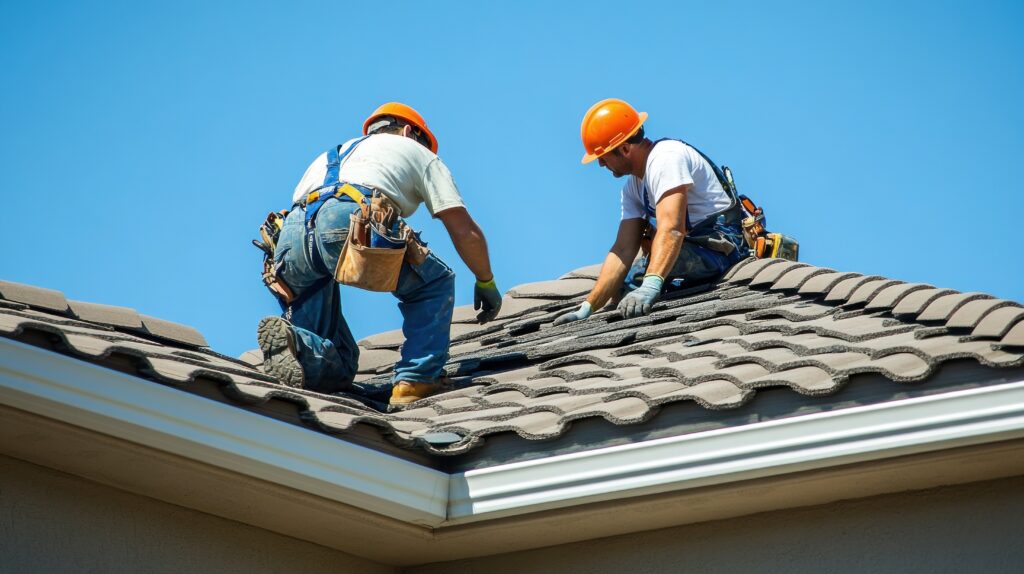
A proper inspection covers more ground than most homeowners expect:
- Roofing surface — shingle or membrane condition, granule loss, blistering, cracking, or punctures
- Flashing — around chimneys, skylights, vent pipes, and every roof-to-wall joint, which is where a large share of leaks actually originate
- Valleys and ridges, where water volume concentrates and wear shows up first
- Drainage — gutters, downspouts, and on flat roofs, drains, scuppers, and slope toward them
- Structural indicators — sagging, soft spots, or visible decking issues where accessible
- Attic or interior access, checking insulation condition, ventilation, and any signs of moisture intrusion from underneath
- Flat roof specifics — seam integrity, membrane attachment at parapet walls, and ponding patterns after recent rain
We go through this list every time, not just the areas that match whatever symptom prompted the call — because the actual cause of a leak is often somewhere other than where the water shows up.
Our Services
Get In Touch
How Technology Helps Us Inspect More Thoroughly
Some parts of a roof are difficult or unsafe to access on foot, especially steep pitches, tall multi-family buildings, or roofs with limited safe walking area. We use drone imagery to get a clear, close look at these areas without unnecessary risk, capturing detail that’s hard to assess accurately from the ground or through binoculars — including hairline cracking, granule loss patterns, and flashing gaps that are easy to miss from a distance. On flat roofs, we use moisture detection tools to identify subsurface saturation that isn’t visible on the surface — a membrane can look intact while insulation underneath is already wet, and catching that early prevents a small issue from becoming a full section replacement. Every inspection includes photo documentation, so you’re not just taking our word for a finding — you can see it yourself.
What’s Included in Your Inspection Report
After the physical inspection, you get a written report that includes a clear summary of overall roof condition, photo documentation of anything we found, and findings organized by priority — genuinely urgent issues, things worth monitoring, and purely cosmetic items that don’t need immediate action. If roof repairs are recommended, the report includes a rough scope and cost range, along with an honest estimate of how much useful life the roof has left. The goal is a report you could hand to a contractor, an insurance adjuster, or a family member and have it make complete sense without us in the room.
Types of Inspections We Perform
Not every inspection is prompted by the same need, and the emphasis shifts depending on why you’re calling. A routine or seasonal inspection is a general health check of the whole system. A storm damage inspection focuses on identifying wind, hail, or impact damage that may not be obvious from the ground. An insurance or warranty-related inspection is documented in the format an insurer or manufacturer typically expects. Homeowners buying or selling a property, and businesses evaluating a roof as part of a real estate transaction, have their own specific needs around timing and report detail — those situations are covered in more depth as part of our residential and commercial roofing services, but the inspection itself follows the same thorough process either way.
Insurance and Warranty-Related Inspections
Some homeowners insurance policies and most commercial roofing warranties either require or strongly benefit from periodic documented inspections. For warranties, skipping regular inspections can quietly affect coverage if a claim is ever filed and the manufacturer asks for maintenance records that don’t exist. For insurance, a documented inspection history can support a claim by establishing the roof’s condition before a storm event, rather than leaving that question open to dispute. We keep inspection records on file for repeat clients specifically so this history exists when it’s needed.
Common Issues We Catch Early
A lot of what a thorough inspection finds isn’t dramatic — it’s the small stuff that’s cheap to fix now and expensive to ignore. That includes early flashing wear before it becomes an active leak, minor membrane seam separation on flat roofs before it lets water in, granule loss that signals aging shingles before they start failing outright, small ponding areas before they accelerate membrane breakdown, and attic ventilation issues before they shorten the life of an otherwise healthy roof. Catching these early is the entire point of a regular inspection habit — the roof problems that turn into expensive emergencies are almost always ones that had earlier, quieter warning signs.
How Often Should You Get a Roof Inspection
For most residential roofs, an annual inspection is a reasonable baseline, ideally in spring or fall. Flat roofs and commercial buildings generally benefit from inspections twice a year, given the added complexity of drainage and membrane systems. Regardless of your regular schedule, any roof — residential or commercial — is worth inspecting after a significant storm, even if nothing looks obviously wrong from the ground. Wind and hail damage in particular can be difficult to spot without a close look at the actual surface.
Is the Roof Inspection Free?
Standard inspections — routine checkups, post-storm assessments, and general condition reviews — are free with no obligation to move forward with any recommended work. More specialized reports, such as detailed documentation for a real estate transaction or an insurance-specific assessment with particular formatting requirements, may involve a fee depending on the scope requested. We’ll always tell you upfront which category your request falls into before we schedule anything.
What Happens After the Inspection
Where possible, we walk the findings with you on-site right after the inspection, so you’re hearing the assessment directly rather than waiting days for a report to explain it. You’ll also receive the written report for your records. If repairs or further work are recommended, we’ll provide a separate written estimate — there’s no pressure to move forward immediately, and plenty of findings are simply worth knowing about and monitoring rather than acting on right away.
A Few Things You Can Check From the Ground
Between professional inspections, a homeowner can reasonably keep an eye on a few things without getting on the roof: missing or visibly curled shingles, sagging areas along the roofline, debris buildup in visible gutter sections, and any new ceiling stains inside. None of this replaces a real inspection, but noticing something between scheduled visits is a good reason to call sooner rather than waiting for the next routine check.
Why Choose Us for Your Roof Inspection
- Inspecting Queens roofs , across residential and commercial buildings alike
- Full-system inspections, not just a look at the reported problem area
- Drone imagery and moisture detection tools for thorough, low-risk assessment
- Detailed written reports with photo documentation
- Free standard inspections with no obligation
Queens Areas We Serve
We provide roof inspections throughout Astoria, Long Island City, Sunnyside, Woodside, Jackson Heights, Elmhurst, Corona, Forest Hills, Maspeth, and Ridgewood.
Schedule Your Free Roof Inspection
Whether it’s routine upkeep, a post-storm check, or you’ve noticed something that doesn’t look right, contact us to schedule a free, thorough inspection and a straightforward written assessment.
Frequently Asked Questions
Is a roof inspection really free?
Standard inspections are free, including routine checkups and post-storm assessments. Specialized reports for particular purposes, like certain insurance or transaction documentation, may carry a fee, which we’ll always confirm before scheduling.
How long does a roof inspection take?
Most residential inspections take 30 to 60 minutes. Larger flat roofs, commercial buildings, or roofs requiring drone imagery may take longer, depending on size and complexity.
Do I need to be home during the inspection?
Not necessarily, though it’s helpful if you can be, since we can walk through findings on-site right after. If that’s not possible, we’ll follow up with the written report and go over anything important by phone.
Can you inspect a roof I can't safely access myself?
Yes. That’s exactly what drone imagery is for — steep pitches, tall buildings, and roofs without safe walking access can all be inspected thoroughly without anyone needing to physically get up there unnecessarily.
Will I get a written report I can keep?
Yes. Every inspection includes a written report with photo documentation, which you can keep for your own records, share with an insurer, or use when planning future work.
How soon after a storm should I get my roof inspected?
As soon as reasonably possible, even if there’s no visible damage from the ground. Wind and hail damage in particular can be subtle, and catching it early prevents a minor issue from turning into an interior leak later.